Budgeting for Tool Replacement: The Monthly Pot Per Van, Buy Versus Hire for One-Offs and the Tools That Earn First
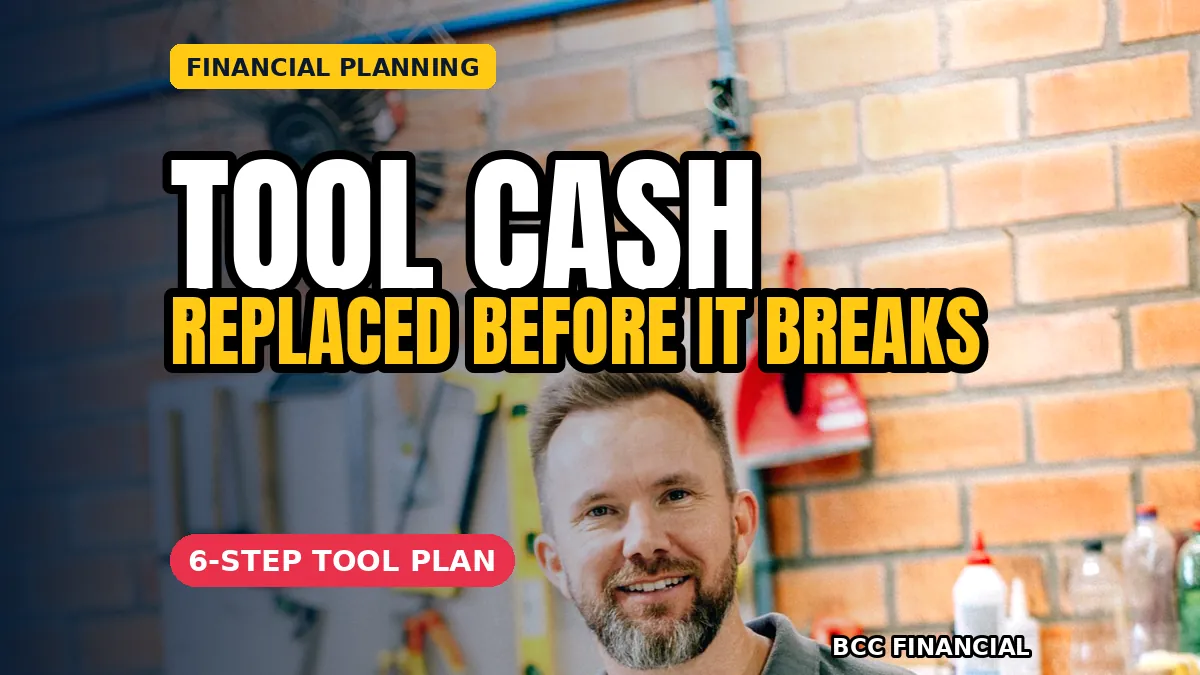
Tools wear out a little at a time, and then all at once on a job that cannot wait. A budgeting tool replacement monthly pot van buy versus hire routine puts a small sum aside every month for each van, sorts the tools that earn their keep from the ones used once a year, and decides buy against hire before the old tool fails. When the pot is built while the tools still work, a broken tool is a purchase, not a crisis.
A budgeting tool replacement monthly pot van buy versus hire plan that starts with the tool list
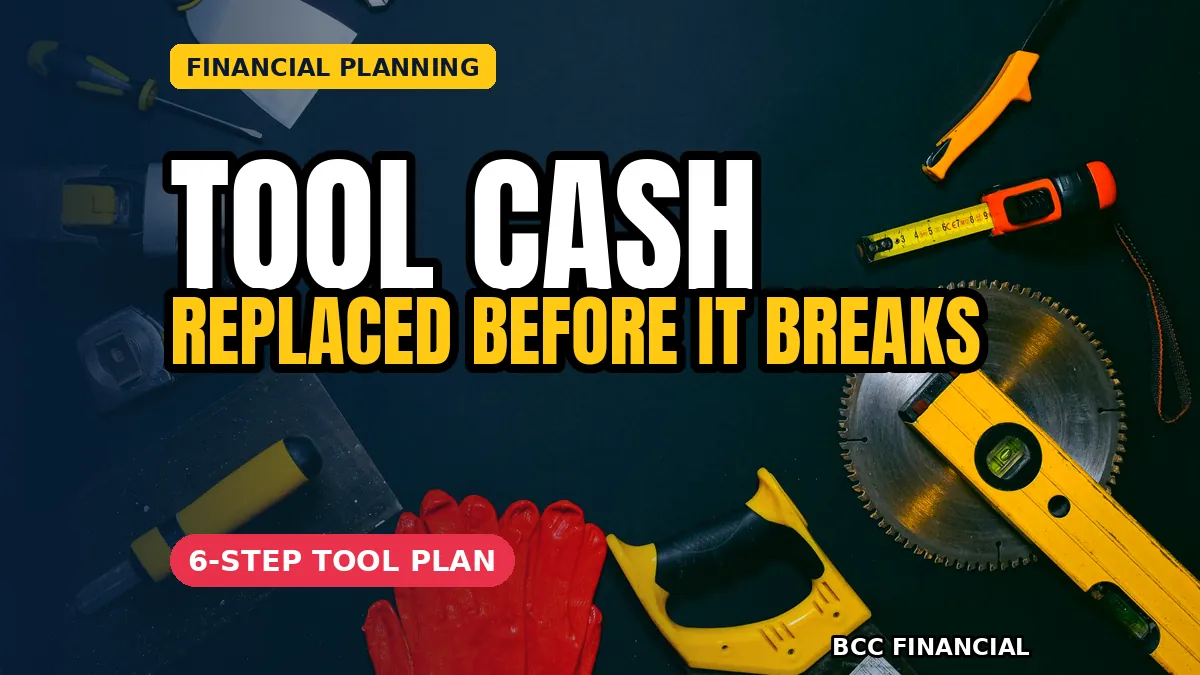
The tool list is the whole routine. Give every van a page, with the tools on it, their age, the jobs they earn on and the month they are likely to need replacing. The list stays with the van from the first month to the day a tool is replaced, so no tool has to be remembered.
- List every tool on each van, with its age and the jobs it earns on.
- Set a monthly pot for each van, and put the sum aside on the same day every month.
- Mark the tools that earn first, and replace those before the ones that sit idle.
- Price a replacement before the old tool fails, so the figure is known in advance.
- For a one-off job, price hire against buying, and hire when the tool would sit idle afterwards.
- Write every replacement down, with the date and the cost, and adjust the pot each year.
The Monthly Pot Per Van
A pot per van is fairer than one pot for the whole business, because each van wears its tools at its own pace. A budgeting tool replacement monthly pot van buy versus hire habit sets a monthly sum for each van and puts it aside on the same day every month, so the money is there when a tool fails.
Never let the pot pay for anything else. A budgeting tool replacement monthly pot van buy versus hire page that shows the pot apart from the takings keeps the money where it belongs, and a pot that is raided for fuel or a bill is a pot that is empty when a drill gives up.
Buy Versus Hire for One-Offs
A tool used once a year should usually be hired, not bought. A budgeting tool replacement monthly pot van buy versus hire routine prices the hire against the purchase, including the storage and the care a bought tool needs, and hires when the numbers say the tool would sit idle for most of the year.
Hire also covers the day a tool fails mid-job. A hired replacement keeps the job moving while the broken tool is repaired or replaced, and a job that keeps moving is a job that still pays on the day it was meant to.
The Tools That Earn First
The tools that earn first are the ones on every job, day after day. A budgeting tool replacement monthly pot van buy versus hire sheet marks those tools clearly, so they are replaced before they fail, while a tool used twice a year waits its turn. Our guide to cash collection for tool hire and plant hire shows how hired kit is charged to the job, and the same habit of charging the cost to the work applies to tools that are bought.
A tool replaced before it fails protects the jobs it works on, because the work never stops for a breakdown. A budgeting tool replacement monthly pot van buy versus hire habit treats the earning tools the way our guide to the annual cost of running a van treats the van itself, and the US Small Business Administration’s guide to managing business finances covers the same habit of planning for replacements before they are needed.
When a Tool Fails Without Warning
Some tools fail without warning, and the pot is what stands between a failure and a lost day. A failure should be written down the day it happens, with the cost of the replacement and the jobs it held up, so the pot can be checked and the list put right.
Hold the pot, and keep the hold brief and plain. A budgeting tool replacement monthly pot van buy versus hire note that shows the pot in hand, the tool replaced and the date it was bought tells the whole story in a few lines, and a story told that plainly is one the owner can act on without panic.
FAQ
How much should the monthly pot be?
Enough to replace the tools that wear out in a year, spread over twelve months, and no more than the van really needs. A budgeting tool replacement monthly pot van buy versus hire list that shows each tool and its age lets the owner set the pot from facts rather than from a guess.
Should each van really have its own pot?
Yes, when the vans do different work, because a van on heavy jobs wears tools faster than a van on light ones. A pot per van keeps the money with the wear, and the owner can see which van costs most to keep tooled.
When is hire the wrong choice for a one-off?
When the hire would cost more than buying, or when the tool is needed for longer than the hire was priced for. A budgeting tool replacement monthly pot van buy versus hire check that prices both sides before deciding keeps a one-off from turning into a long hire that costs more than a purchase.
What if the pot runs dry in a bad month?
Write the shortfall down, top the pot up from the next month’s takings, and look at whether the pot was set too low. A pot that runs dry once is a warning, and a pot that runs dry twice needs a new monthly figure.
Conclusion: Pot Built Monthly, Earners Replaced First, One-Offs Hired
A sound budgeting tool replacement monthly pot van buy versus hire routine is three habits: the pot built a little each month for each van, the tools that earn first replaced before they fail, and a one-off tool hired rather than bought. Then the tool list can be believed.
Tool replacement is only one wearing cost where the money must be set aside before it is needed. BCC Financial’s Financial Planning guides cover other wearing costs where the same discipline keeps the budget honest.
This article offers general educational information only and is not financial advice. Every trade business runs differently, so check the routine against your own tool lists before changing it.