Writing a One-Page Cash Handling Policy Your Whole Team Can Follow
A clear cash handling policy template small business document turns good intentions into habits your whole team can follow on a busy day.
Many cash problems are not caused by dishonesty.
What a One-Page Cash handling policy template small business Document Must Cover
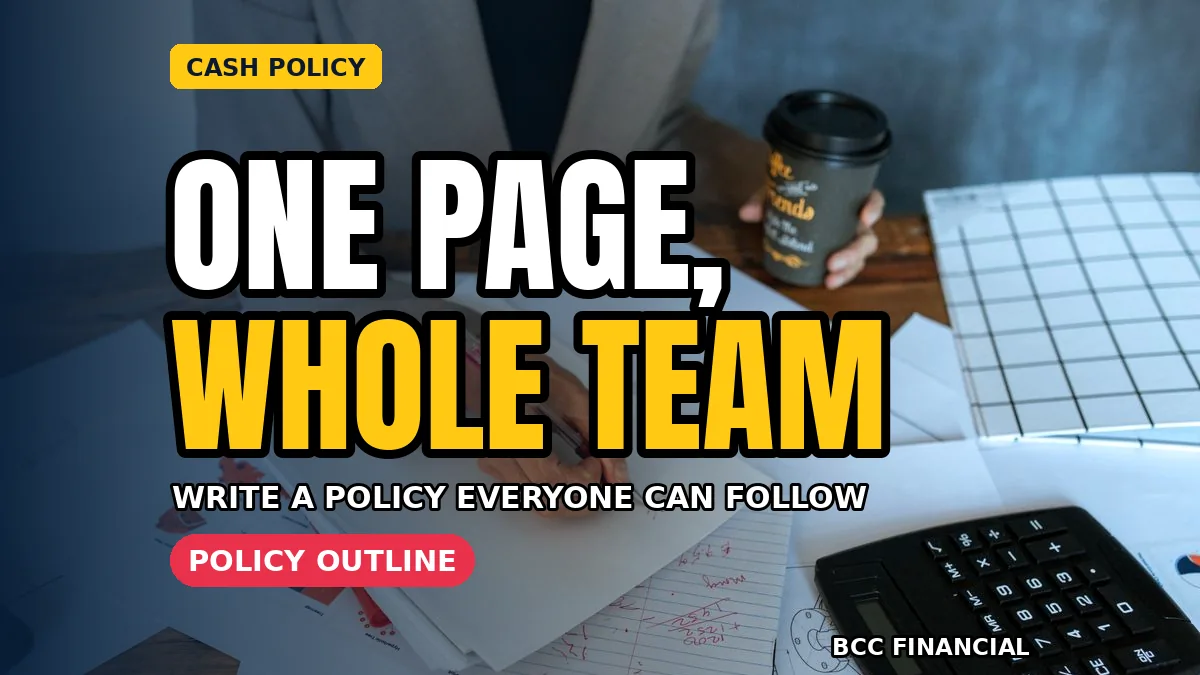
A useful cash handling policy template small business page has six short sections: purpose, who may handle cash, opening the till, serving and refunds, closing and counting, and reporting problems.
Write the page for the person standing at the till, not for a file.
Who May Handle Cash, and Sharing Tills Safely
State plainly who may open the till, give refunds, open the safe, and prepare deposits, and who may not. Limiting cash duties to trained, named roles is the simplest control a small business can set, and it makes accountability fair: a person should only answer for cash they actually handled under the rules in your cash handling policy template small business document.
Avoid shared tills without a handover where you possibly can. If sharing is unavoidable at busy times, require a counted handover or a shared-count note at shift change. Our guide to cash handling training for new staff can help you turn these rules into a short induction, so new starters learn the policy by practising it, not just by reading it once.
Opening, Float, and Serving Rules
Describe how each day starts: check the float against its record, report a difference before serving anyone, and confirm the till contains the right mix of notes and coins.
Cover refunds, voids, and no-sale till openings in the same section, because these are the moments cash records most often go vague. State who may approve each one, what receipt or note must be kept, and where it is filed. Clear rules here protect customers too, and the Consumer Financial Protection Bureau’s consumer tools underline why fair, documented treatment matters when money is returned.
Closing, Counting, Storage, and Deposits
Set the closing routine in order: run the till report, count cash away from customers where possible, compare it with the expected figure, and record and sign any difference honestly. Two people counting together for larger amounts is a sensible step to name in your cash handling policy template small business page, along with the rule that nobody alters a count sheet after signing it without noting the change.
Finish the section with storage and banking. Say where counted money waits, who may move it, how deposits are prepared and checked, and how often banking happens. Link this page to your wider cash handling security arrangements, so storage, transport, and safe rules support each other instead of sitting in separate documents that different team members remember differently.
Differences, Mistakes, and Reporting Without Fear
Your policy must say what happens when the count is wrong, because that moment decides whether staff report problems or hide them. Require differences to be written down, reported the same day, and checked calmly against receipts, refunds, and handover notes. Thank people for reporting quickly.
Also cover what to do about suspected theft, counterfeit notes, or a customer dispute over change. Keep these instructions short and factual: secure the cash, note times and details, inform the named manager, and do not accuse anyone at the till in front of customers. A clear cash handling policy template small business escalation rule keeps a stressful moment orderly and fair for staff and customers alike.
Launching the Policy and Keeping It Alive
A policy nobody has read changes nothing.
Review the page whenever roles, tills, banking, or opening hours change, and at least when you review your other business routines. Keep old versions filed with their dates so you can show which rules applied at any time. That review habit keeps a cash handling policy template small business document alive as a working tool, rather than a forgotten sheet pinned behind newer notices at the till.
Frequently Asked Questions
How long should a cash handling policy be?
One page is enough for most small teams if it covers roles, opening, serving and refunds, closing and counting, storage and deposits, and reporting problems in short, direct sections. Detail that does not fit, such as full training steps, can live in a linked guide.
Who should sign the policy?
Every team member who handles cash should read, sign, and date a copy, and managers should sign to show they will apply it consistently. Keep signed copies filed with the dated policy version each person received. Signing is not about blame; it confirms everyone was given the same clear rules, which makes later conversations about mistakes much fairer.
What should the policy say about count differences?
It should require differences to be recorded honestly, reported the same day, and checked against receipts, refunds, and handover notes before any conclusion is drawn. It should also forbid quietly adjusting figures or using surplus cash to cover shortages. A calm, written process encourages early reporting, which is how small errors stay small instead of becoming hidden patterns.
How often should we review the policy?
Review it whenever anything it describes changes, such as staff roles, a new till system, different banking arrangements, or new opening hours, and also during your regular business reviews even if nothing obvious has changed. Date each version and file the old ones. A short review keeps the document matched to how the business actually works today.
Conclusion
One clear page, written in your team’s own words, can prevent most cash confusion before it starts. Draft it, test it against a busy shift, train everyone on it, and review it as your business changes. If you would like help turning your current cash habits into a simple policy your team will actually follow, BCC Financial is happy to help you work through the first draft. A good cash handling policy template small business teams trust is short enough to read before a shift and clear enough to use during one.
This article is general educational information only, not personal financial or legal advice. Check your provider terms and speak to a qualified professional about your own situation.