
Budgeting for Winter Heating Costs: The Cold-Month Bill, the Monthly Pot and the January Shock
The heating bill arrives in January, and it is always bigger than the bill you remember from October. A budgeting winter heating costs cold month bill monthly pot january shock routine spreads that cold-month bill across the whole year, so a small monthly pot is ready when the cold arrives and January never shocks your cash. Without the pot, the same bill lands in the worst month, when takings are slow and the tax bill is due, and a business that was comfortable in November is suddenly short. With it, winter is simply a season you have already paid for.
How Budgeting Winter Heating Costs Cold Month Bill Monthly Pot January Shock Works
Start by looking at last winter’s bills, not by guessing. Add up what heating cost across the coldest months, divide it by twelve, and that figure is the monthly pot, and a budgeting winter heating costs cold month bill monthly pot january shock plan moves that amount into a separate pot every month, even in summer when the heating is off. The money is not spare cash; it belongs to the winter bill, and treating it as spent the moment it moves is what keeps it safe from everyday spending.
Read the meter on the same day each month, and write the reading beside the pot balance. A budgeting winter heating costs cold month bill monthly pot january shock check like this shows whether the pot is keeping pace with the cold, because a cold snap in November will show up in the meter long before it shows up in the bill. If the readings run ahead of the plan, top the pot up by a little; if they run behind, leave the extra where it is, because a mild December is a gift you should keep for February.
What the monthly pot should cover
A good heating pot covers more than the fuel bill. It covers the boiler service before winter, a spare part or two, and a small margin for a cold month that runs long, and a budgeting winter heating costs cold month bill monthly pot january shock pot that holds all three never has to be raided for something it was not meant to pay. Keep the pot in its own account or its own envelope, and write every withdrawal in the same book as the meter readings, so the pot’s story is always easy to follow.
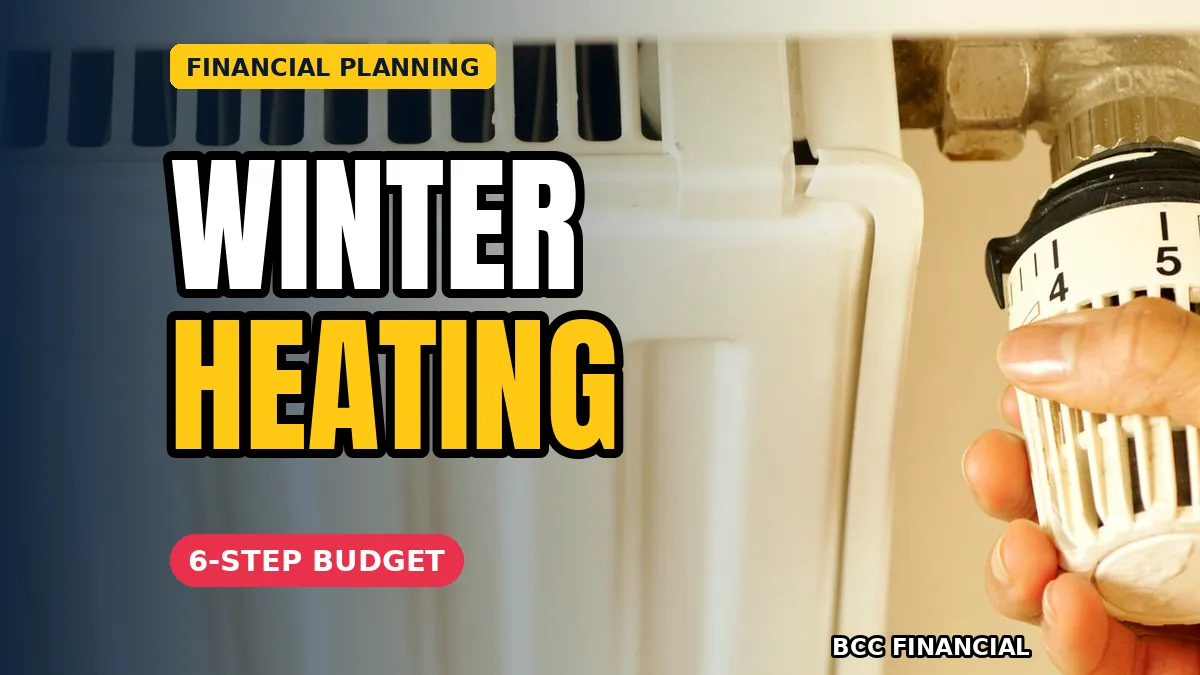
When January Still Shocks the Cash
Even a good pot can be caught out by a bitter January, so keep a second line of defence ready. A budgeting winter heating costs cold month bill monthly pot january shock routine that survives a cold month has a small reserve beside the pot, a habit of paying the bill in the same week it arrives, and a rule that the heating pot is never used for anything else. If the bill still outruns the pot, pay what the pot holds, note the shortfall in the book, and rebuild the pot over the next three months rather than borrowing from the tax pot.
The cheapest heating is the heating you do not need, so look at the building as well as the bill. A budgeting winter heating costs cold month bill monthly pot january shock plan that includes draughts, a timer set to the hours the shop is actually open, and a thermostat turned down a single degree will often cut the bill without anyone feeling colder. Write down each change and its effect on the next bill, because a saving you can measure is a saving you will keep.
Keeping the Pot Full All Year
The pot only works if it is fed every month, including the months when money is tight. Set the transfer for the day after your best trading day, so the money moves while the account is full, and review the pot in September before the cold arrives, when there is still time to top it up. A pot that is full in October is a quiet winter; a pot that is empty in October is a January problem you have chosen in advance.
Book the boiler service in early autumn, before the first cold week, and ask the engineer to check the pressure, the bleed valves, and the timer settings while they are there. A service that finds a worn part in September costs far less than an emergency call-out in January, and a boiler that runs cleanly uses less fuel for the same heat. Write the service date beside the meter readings.
Frequently Asked Questions
What should budgeting winter heating costs cold month bill monthly pot january shock cover first?
It should cover three things: the monthly amount set aside, the meter readings that show whether the pot is keeping pace, and the date the pot is reviewed before winter. A budgeting winter heating costs cold month bill monthly pot january shock routine that watches all three rarely gets caught out, because the money is set aside, the usage is measured, and the shortfall is spotted in September rather than January.
How do I work out the monthly amount?
Add up last winter’s heating bills, divide by twelve, and use that as the starting figure, then adjust it after the first winter you track properly. If last year’s bills are missing, start with a round figure you can afford and raise it in autumn if the meter readings run ahead of the plan. A pot that is roughly right and paid every month beats a perfect figure that is never started.
What if the pot runs out before winter ends?
Pay the bill from the pot first, then cover the shortfall from the reserve, and rebuild both over the following months. A budgeting winter heating costs cold month bill monthly pot january shock check after a shortfall should ask why it happened: a colder winter, a price rise, or a pot that was set too low. Fix the cause, raise the monthly amount a little, and the next winter will be easier to carry.
Warm Rooms, Calm Cash
Winter heating is not a surprise; it arrives every year, on the same calendar, with the same cold. Put a little aside every month, read the meter, keep the pot separate, and review it before the cold, and that is the whole of a sound budgeting winter heating costs cold month bill monthly pot january shock habit. If monthly pots and heating bills steal your evenings, BCC Financial can keep the pots, the payments and the paperwork in order, so winter stays warm and the cash stays calm.
More from BCC Financial: budgeting for the VAT return and saving for the tax bill — plus guidance from GOV.UK on help with heating costs.
Disclaimer: Please treat this article as general information for small businesses about planning for winter heating costs. It is not financial advice, and energy prices, support schemes and the rules on business premises differ by place. Look up the rules where you trade, or speak to a qualified adviser, before changing how you budget for heating.