
Safe Cash Deposits: How to Get Your Business Cash to the Bank Without the Risk
Making safe cash deposits should be a boring routine, but for many small businesses it is the most exposed moment of the week: a predictable walk or drive, a bag of takings, and a route anyone could learn by watching. The good news is that a handful of simple habits dramatically reduce that exposure. None of them requires special equipment to start, and together they protect both the money and the person carrying it.
This guide covers the full journey of a deposit, from counting and sealing the cash on your premises to matching the credit on your bank statement, plus the options that remove the journey altogether.

The Risk of Cash Sitting on Site
Every day takings stay on your premises, two risks grow. The first is simple temptation and error: a large, loosely recorded pile of cash is harder to count accurately and easier for someone to take from unnoticed. The second is targeted crime. A business known to hold several days of takings is a more attractive target than one that banks little and often.
Regular deposits shrink both risks at once. Set a banking rhythm based on how quickly cash builds up in your business, not on convenience alone, and lower the amount you hold overnight wherever you can. If takings regularly exceed what you are comfortable storing, that is a sign the deposit routine itself needs redesigning.
Count and Record Before Anything Leaves
A deposit is only safe if you know exactly what it contains before it leaves the building. Count the cash twice, ideally with a second person checking, and write down the total and the denomination breakdown on a deposit record that stays with the business. The person preparing the deposit signs it; if someone else carries it, they sign for the sealed amount they received.
This paperwork is what turns a later disagreement into a quick check. It also connects directly to the handover discipline described in our guide to how cash collection banking services work step by step, where documented counts protect both sides of a pickup.
Use Tamper-Evident Deposit Bags
Loose cash in an ordinary envelope or a shop bag invites problems and advertises itself. Tamper-evident deposit bags seal the counted cash so that any interference shows immediately, and each bag carries a unique number you can record on your deposit log. If the bag arrives with a different number or visible damage, you know to raise it straight away.
- Seal the bag at the point of counting, not later at the door.
- Write the bag number, amount, date and preparer’s name in the deposit record.
- Never reopen a sealed bag to add forgotten cash; prepare a separate bag instead.
- Keep unused bags stored securely so their numbers stay trustworthy.
Never Follow a Fixed Routine
Predictability is the deposit carrier’s biggest enemy. If the same person leaves at the same time on the same days, follows the same route and parks in the same place, anyone watching can plan around them. Break the pattern deliberately.
- Vary the time of day and the day of the week banking is done, within your bank’s hours.
- Rotate which trained staff member makes the trip where possible.
- Change routes and parking spots rather than repeating a favourite path.
- Never discuss the banking routine with customers or in public areas of the business.
- Avoid carrying the deposit in anything branded or obviously designed for cash.
The Two-Person Rule and Safer Journeys
For larger amounts, send two people. A second person changes the calculation for anyone watching, provides a witness if anything goes wrong, and can raise the alarm while the carrier focuses on getting somewhere safe. Agree in advance what you will do if you feel unsafe: the correct answer is always to abandon the money, move to a safe public place and contact the police and the business. Cash can be replaced; people cannot.
Choose daylight hours and busy, well-lit locations where you can. If a branch visit feels exposed, consider the bank’s alternatives below rather than quietly accepting the risk each week.
Night Deposit Drops and How They Work
Many banks offer a night deposit facility: a secure drop at the branch where you can deposit a sealed, tamper-evident bag outside counter hours using a key or access arrangement agreed with the bank. The bank opens the bag under its own controls, counts the contents and credits your account, and you reconcile the credit against your deposit record.
Night drops shorten the time cash spends on your premises and remove the need to queue at a counter with a visible bag. Ask your bank what bags and records they require, when credits are applied, and how discrepancies are reported, so your own log matches their process.
Smart Safes That Validate and Record
A smart safe counts and validates notes as they are fed in, records who deposited what and when, and stores the cash securely until collection or banking. Some arrangements allow the bank to credit deposits based on the safe’s records before the cash physically arrives, although terms vary by provider.
For businesses banking significant cash daily, a smart safe attacks several problems at once: counting errors fall, counterfeit notes are flagged at the point of deposit, staff spend less time preparing banking, and the record is created automatically. Weigh the rental and service costs against staff time, banking trips and losses, not against zero.
Match Deposit Records to Bank Credits
The routine is not finished when the bag leaves. Within a few days, match every deposit record to the credit on your bank statement, amount for amount. Investigate differences immediately, while the count sheets, bag numbers and memories are fresh. A small discrepancy investigated on Friday is an admin task; the same discrepancy found at year end is a mystery.
Keep deposit records, count sheets and statements filed together by week. Patterns in timing, such as credits consistently arriving later than expected, are worth raising with your bank before they become a cash flow problem.
When a Cash Collection Service Is Safer Than Doing It Yourself
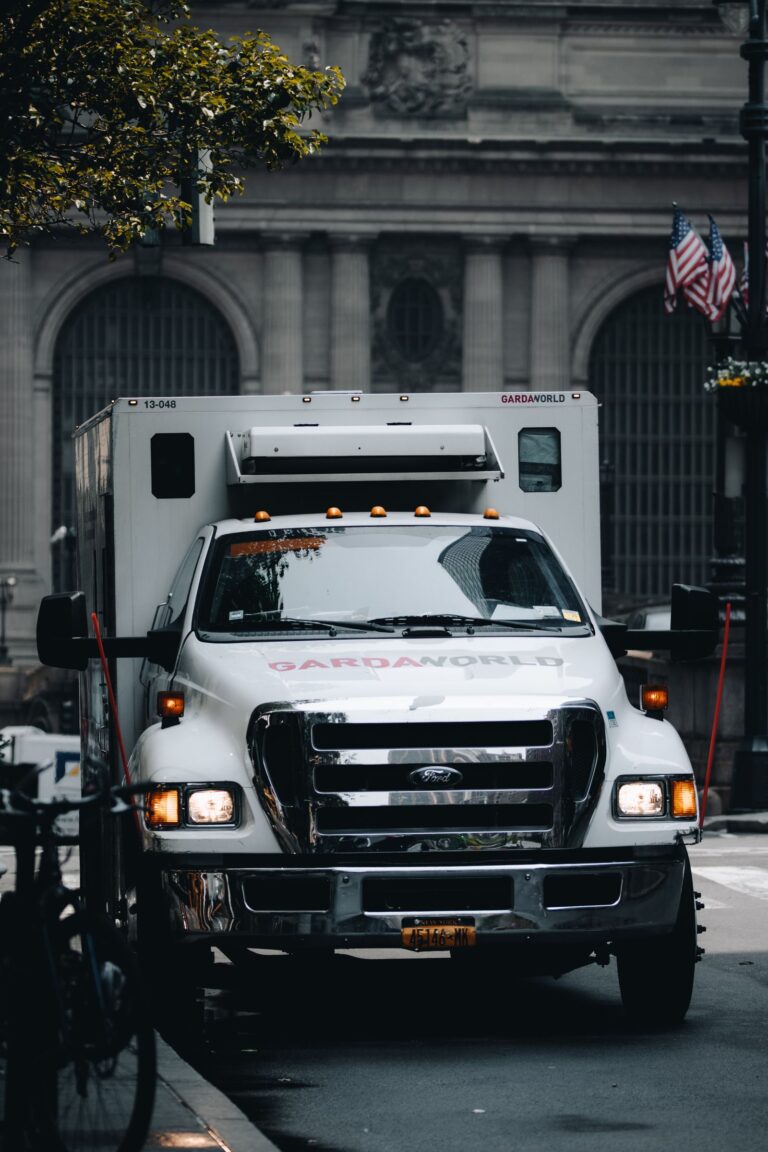
There comes a point where the honest answer is that staff should not be carrying the money at all. Consider a collection service if your takings are large, your journey is long or isolated, banking trips are taking senior staff away from the business, or a previous incident has left the team uneasy. Our comparison of cash collection, armoured transport and bank deposit runs walks through how the options differ and what each typically involves, so you can judge the point at which outsourcing becomes the safer and more economical choice.
The short video below shows how a cash management safe validates and records deposits inside a business.
Frequently Asked Questions
How often should a business bank its cash takings?
Bank little and often enough that the amount held on site stays within a level you are comfortable storing securely. The right rhythm depends on how quickly cash builds up, and it should be a deliberate decision rather than whenever someone finds time.
What is a tamper-evident deposit bag?
It is a sealable bag designed so that any attempt to open it leaves visible evidence. Each bag has a unique number, which you record with the amount and date, so the bank and the business can confirm the same sealed bag arrived.
How does a night deposit drop work?
You place a sealed deposit bag into the bank’s secure night facility using the access arrangement agreed with the bank. The bank later opens and counts it under controlled conditions and credits your account, which you then match to your own deposit record.
What is a smart safe?
A smart safe validates and counts notes as staff feed them in, records each deposit by user and amount, and stores cash securely until it is banked or collected. It reduces counting work and creates an automatic deposit record.
When should we stop doing our own bank runs?
Consider stopping when amounts grow large, journeys are long, quiet or predictable, or banking is pulling key staff away from customers. At that point, comparing a collection service against the real cost and risk of doing it yourself is the sensible next step.
A Routine Worth Rehearsing
Pick one deposit this week and run it exactly by the book: counted twice, sealed in a numbered bag, carried at a different time than usual, and matched to the bank credit a few days later. If the routine feels manageable, make it your standard. If you would like help reviewing how cash moves through your business, BCC Financial Management Services can help you look at the options and plan a safer, simpler routine.
Disclaimer: This article is general educational information only and is not financial advice. Consider your own circumstances and seek professional advice where appropriate.




One Comment